Supreme Court Blocks Trump Mail-In Voting Rules Before Elections
The United States Supreme Court rejected the Trump administration’s request on Monday, for now, to implement new restrictions on mail-in voting ahead of…

The US Supreme Court on Monday rejected, for now, the Trump administration’s request to enforce new mail-in voting restrictions before the November midterm elections.
The decision allows states to maintain their existing procedures for sending and receiving ballots while litigation over the legality of the new rules continues.
Two Justices Disagreed With the Decision
Justices Samuel Alito and Clarence Thomas disagreed with the Court’s decision.
Justice Brett Kavanaugh agreed that the rules should not take effect for the 2026 elections, although he left open the possibility that the measures could later be found lawful.
Kavanaugh noted that states and election authorities did not have enough time to implement the changes before the November 3 elections.
What Did the Trump Administration Want to Change?
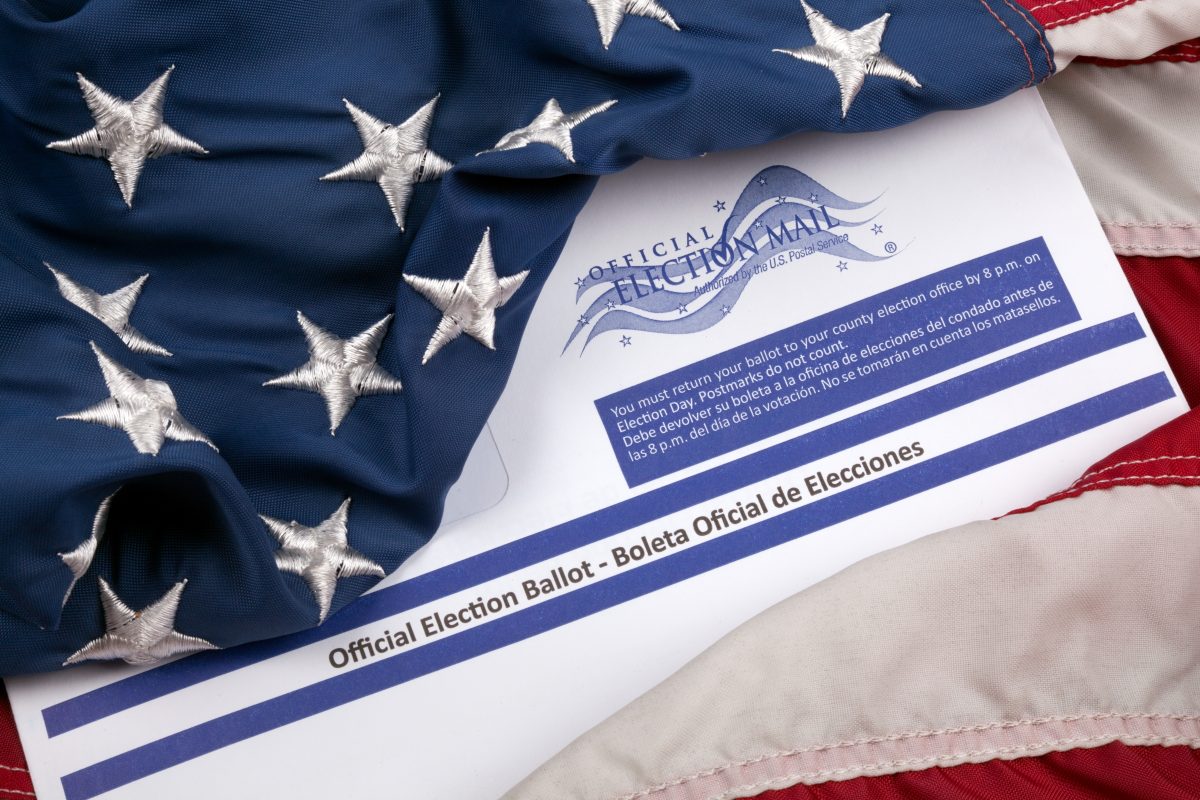
The proposed rules sought to establish uniform requirements for envelopes used to submit ballots in federal elections.
The measures included new identification features and individualized barcodes, as well as a requirement that states provide the US Postal Service with basic voter information.
The Trump administration defended the changes as a way to strengthen the security and integrity of mail-in voting.
Critics, however, argued that the Postal Service was exceeding its authority and warned that the requirements could make it more difficult for some ballots to be counted if they failed to satisfy the new conditions.
Two Federal Judges Had Already Blocked the Mail-In Voting Rules
Before the dispute reached the Supreme Court, a federal judge in Boston had blocked the regulations.
Another federal judge in Washington issued a similar order over the weekend.
The Supreme Court’s decision keeps those lower-court blocks in place for now while the courts continue evaluating the legality of the measures.
States Have Already Begun Distributing Ballots for the November Elections
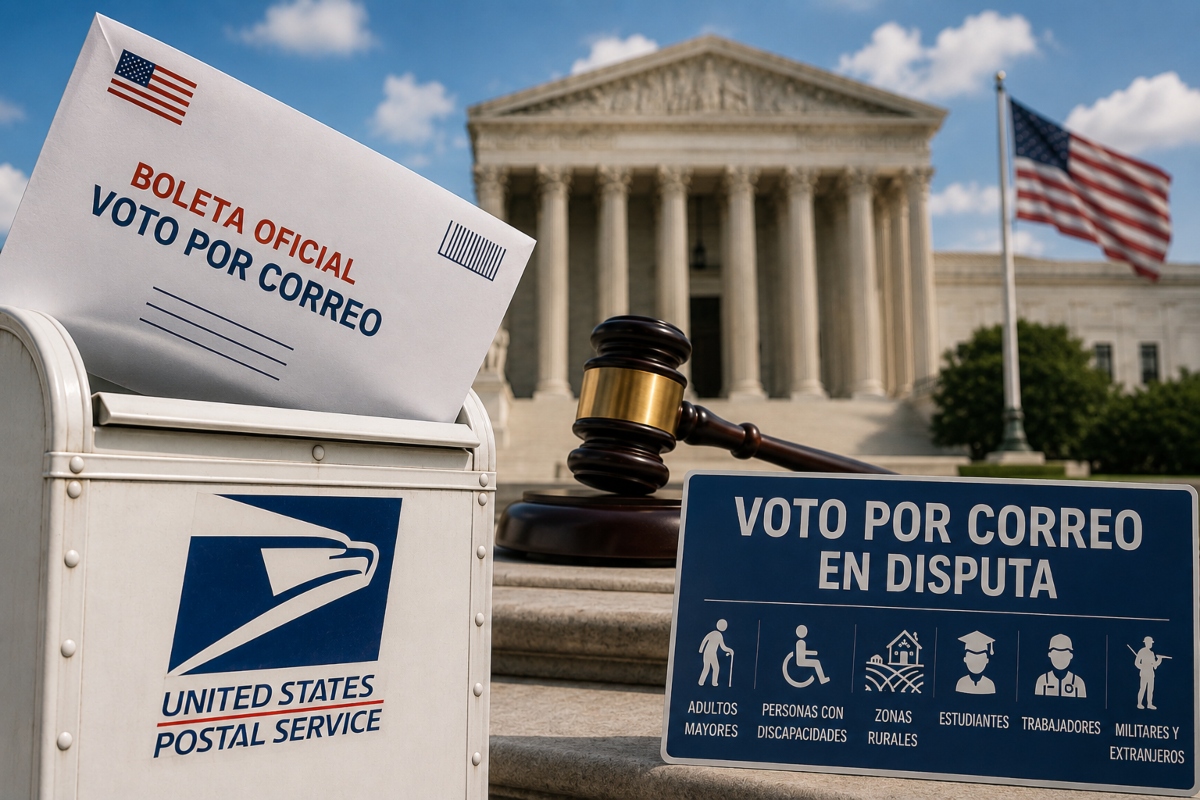
The legal dispute comes at a critical point in the election calendar because some states have already begun distributing mail-in ballots for the November 3 elections.
All 435 seats in the House of Representatives and approximately one-third of the Senate seats will be contested in those elections.
Mail-in voting is an important component of the US electoral system, although each state maintains its own procedures for requesting, sending, receiving, and counting ballots.
Those differences among state systems have become a central point of conflict in Trump’s efforts to change mail-in voting rules.
YOU MAY BE INTERESTED IN: House Democrats Prepare Trump Investigations if They Win in November